Skip to content


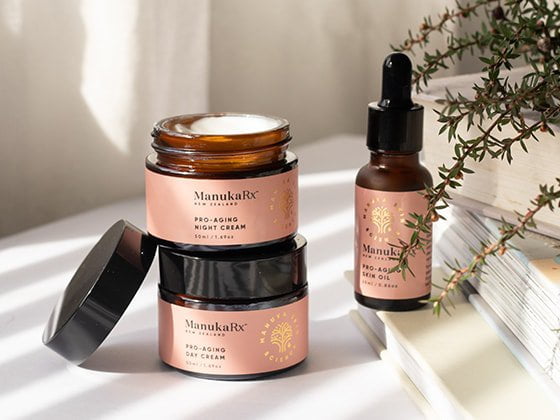


Noticing dark spots that linger, fine lines that feel a little deeper, or a complexion that looks flat no matter how much you moisturise? In New Zealand, where UV levels are famously high, skin can look uneven and tired, even in cooler months.
The good news is that a well-formulated vitamin C serum can brighten, even tone, and support collagen, all while fitting into a simple, feel-good routine. Here’s how it works, and how ManukaRx pairs vitamin C with East Cape mānuka oil for results you can see and feel.
Table of Contents
- How Vitamin C Targets Pigmentation, Ageing, and Dullness in NZ
- The ManukaRx Brightening Ritual: Vitamin C + Mānuka Oil
- Boost Results: Pair With Collagen and Firming Care
- Sensitive or Blemish-Prone? Use Vitamin C the Gentle Way
- How to Layer Vitamin C in an NZ Routine
- FAQ
- Conclusion and Free 2-Week Brightening Checklist
How Vitamin C Targets Pigmentation, Ageing, and Dullness in NZ
New Zealand’s strong UV levels, especially during Auckland’s long summers, can speed up pigmentation and collagen breakdown. Even on cloudy days and through winter, UVA rays pass through clouds and windows. Over time, this adds to dark spots, fine lines, and dull tone.
This is why vitamin C works well as a daily essential in Aotearoa. It supports your skin in two key ways. First, it acts as an antioxidant. It neutralises environmental stress from sun and pollution. Second, it supports collagen types I and III, which keep skin firm and bouncy. When you use it every day and apply SPF, your skin tone looks more even and feels firmer.
What vitamin C does for common face concerns in NZ
- Pigmentation and dark spots: Vitamin C interrupts the process that leads to excess pigment. Over time, sun spots, melasma, and post-blemish marks look more even.
- Ageing and fine lines: Vitamin C supports collagen production. This softens the look of lines and improves firmness and elasticity.
- Dullness and grey tone: Antioxidant support restores brightness so your complexion looks fresh instead of flat.
Choosing the right vitamin C for your skin type
Not all vitamin C products feel the same. The form and strength matter.
- L-ascorbic acid, often called LAA, works quickly. Most formulas sit between 10 and 20 percent. It can tingle on sensitive skin. Choose low pH products in opaque or air-tight bottles to protect stability.
- 3-O-ethyl ascorbic acid and sodium ascorbyl phosphate, SAP, are gentler. They suit beginners or those with sensitive or blemish-prone skin.
- Ascorbyl glucoside and magnesium ascorbyl phosphate, MAP, are stable and mild. They fit well into hydrating routines.
Local insight, Auckland and beyond
High UV levels mean SPF every morning is essential if you want pigment care to work. Without sunscreen, brightening results stall.
Wind in Wellington and salt air near the coast can leave your skin tight. Apply a hydrating cream after vitamin C to protect your barrier.
Water quality makes a difference. After swimming or hot showers, wait 5 to 10 minutes before applying LAA. This lowers the chance of stinging, which many Auckland testers notice in summer.
Pro Tip: Store your vitamin C in a cool, dark place. During warmer months, keep it in a cabinet away from sunlight to maintain strength.
Common Mistake: Using vitamin C once a week and expecting change. Daily use with SPF improves pigmentation and glow.
The ManukaRx Brightening Ritual: Vitamin C + Mānuka Oil
If you want a routine made for New Zealand conditions, pair vitamin C with East Cape mānuka oil. Kakadu Plum provides vitamin C benefits. Mānuka oil contains triketones that keep skin calm and comfortable. This matters when UV, wind, and city air stress your skin.
Below is an Auckland-friendly morning ritual. You can mix and match with other trusted brands. Focus on stable vitamin C, soothing support, and SPF every day.
Step-by-step brightening, morning
- Cleanse with a gentle formula that does not strip. Try Vitamin C Gel Cleanser to refresh without tightness.
- Apply Skin Brightening Vitamin C Serum for targeted brightening with mānuka oil.
- Use Brightening Eye Cream if you want to address shadows and fine lines.
- Moisturise with Daily Glow Brightening Cream before SPF.
- Finish with SPF 30 to 50. Reapply if you spend time outdoors.
Supportive swaps or add-ons
- If you wear makeup or heavy sunscreen, double cleanse. Start with Gentle Oil Cleanser.
- If you prefer a face oil finish, use Manuka Face Oil Blend to seal in hydration.
Pro Tip: Apply serum to slightly damp skin. It spreads more easily and feels comfortable. Follow with moisturiser before SPF.
Common Mistake: Skipping moisturiser after vitamin C. Hydrated skin tolerates active ingredients better.
Boost Results: Pair With Collagen and Firming Care
Brightening works best when you support your skin’s structure at the same time. Firming serums and restorative oils improve texture and visible elasticity over 6 to 12 weeks.
If you notice fine lines with uneven tone, use vitamin C during the day and firming care at night. Keep your routine simple and repeatable. Consistency drives change you can see.
Evening firming and collagen support
- After cleansing, apply Firming Serum with retinal a few nights each week to support renewal.
- Use Nourishing Night Cream for overnight comfort.
- For daytime firmness under SPF, try Firming Day Cream.
- If you prefer a pre-set option, choose the Skin Firming Essentials Set.
Barrier and elasticity boosters
- Use Restorative Skin Oil with rosehip and mānuka oil to improve suppleness.
- For extra glow, try Brightening Duo or Radiance Revival Set.
Common Mistake: Using retinal and strong exfoliants on the same night. Alternate them to reduce redness and protect your barrier.
Sensitive or Blemish-Prone? Use Vitamin C the Gentle Way
If your skin reacts easily or breaks out, you can still use vitamin C. Choose stable forms and introduce them slowly. Derivatives such as SAP or 3-O-ethyl ascorbic acid are often better tolerated than high-strength L-ascorbic acid.
Mānuka oil works well for breakout-prone skin, especially where post-blemish marks remain. Keep fragrance low. Patch test first. Begin with application every second morning, then increase to daily use if your skin feels comfortable.
Gentle routine for sensitive or acne-prone skin
- Cleanse with Soothing Cream Cleanser or Foaming Face Wash if you prefer light foam.
- Treat dark marks with a vitamin C derivative. Start with low strength and focus on hydration.
- Use Blemish Oil or Blemish Control Gel for targeted spots.
- Apply Clearing Face Cream for balanced moisture.
- For dry patches, use Skin Repair Ointment.
Optional sets simplify your start
Pro Tip: If your skin stings after a swim or hot shower, wait 10 minutes before applying vitamin C. This pause reduces reactivity, especially in humid Auckland summers.
How to Layer Vitamin C in an NZ Routine
A simple routine outperforms complicated plans, especially with high UV exposure. Use vitamin C in the morning for antioxidant defence and brightness. Use retinal or richer products at night to support renewal.
End every morning routine with broad-spectrum SPF. If you spend hours outdoors or drive long distances, reapply SPF every 2 to 3 hours.
Suggested routine
- Morning, anti-ageing skincare routine NZ:
- Cleanse.
- Apply Skin Brightening Vitamin C Serum.
- Add Hydrating Mist Toner or lightweight essence if you enjoy extra hydration.
- Moisturise with Daily Glow Brightening Cream.
- Apply SPF 30 to 50.
- Evening:
- Cleanse. Use Gentle Oil Cleanser to remove SPF or makeup, then your second cleanse.
- Apply Firming Serum or Restorative Skin Oil.
- Moisturise with Nourishing Night Cream.
- Weekly:
- Use Rejuvenating Mānuka Oil Exfoliant in the evening, then apply vitamin C the next morning.
Pro Tip: If under-eye pigmentation and fine lines concern you, use Restorative Eye Cream at night and Brightening Eye Cream during the day.
FAQ
How long until I see results from vitamin C for pigmentation?
You may notice brighter skin within 2 to 4 weeks. Dark spots and uneven tone look more refined over 6 to 12 weeks. Daily use and SPF make a visible difference.
Can I use vitamin C with retinal?
Yes. Apply vitamin C in the morning and retinal at night to reduce sensitivity. Use hydrating creams to protect your barrier.
Is vitamin C suitable for sensitive skin?
Choose buffered formulas with soothing botanicals such as mānuka oil. Start slowly, moisturise well, and avoid strong exfoliants on the same day.
What percentage of vitamin C suits beginners?
If you choose L-ascorbic acid, start at 10 percent. If your skin feels sensitive, try gentler derivatives such as SAP or 3-O-ethyl ascorbic acid at 5 to 10 percent, then increase if tolerated.
Which vitamin C form suits acne-prone skin?
Sodium ascorbyl phosphate works well for many people because it is gentler and fits into blemish routines. Always patch test first.
How do I store vitamin C serum in warmer months?
Keep it in a cool, dark place with the lid closed tightly. Do not leave it near windows or in hot cars. If the colour changes significantly, it is likely oxidising.
Can I use vitamin C while pregnant or breastfeeding?
Topical vitamin C is considered safe for most people, but your situation is personal. If unsure, speak with your healthcare professional and read the ingredient list carefully.
Conclusion and Free 2-Week Brightening Checklist
If you live in Aotearoa, vitamin C paired with daily SPF stands among the most science-backed ways to target pigmentation, ageing, and dullness. Keep your routine simple. Stay consistent. Protect your barrier under New Zealand’s strong UV.
Your 2-week brightening starter plan
- Every morning: Gentle cleanse, vitamin C serum, moisturiser, SPF.
- Three evenings per week: Cleanse, Firming Serum or renewal step, night cream.
- Other evenings: Cleanse, Restorative Skin Oil, night cream.
- Once per week: Gentle exfoliant at night, vitamin C next morning.
- Every 2 to 3 hours outdoors: Reapply SPF.
- Track progress: Take a photo in natural light. Compare at week 2 and week 6.
If you prefer a locally formulated option pairing vitamin C with East Cape mānuka oil, explore the Skin Brightening Vitamin C Serum and supporting routines at manukarx.co.nz:
- Skin Brightening Vitamin C Serum
- Vitamin C Gel Cleanser
- Daily Glow Brightening Cream
- Nourishing Night Cream
Prefer to start with a set? See the Skin Brightening Gift Set.
Soft note: Any well-formulated vitamin C routine paired with SPF can work. Choose products that feel comfortable on your skin and fit your budget. If you want guidance for Auckland’s conditions or your skin type, patch test first and adjust frequency based on comfort.
Ready to personalise your brightening routine for New Zealand conditions? Explore the full range of vitamin C, firming, and blemish-supporting skincare at ManukaRx and build a simple routine that targets pigmentation, ageing, and dullness day by day.
Sources
-
ManukaRx product information and ingredient listings at https://manukarx.co.nz