Skip to content


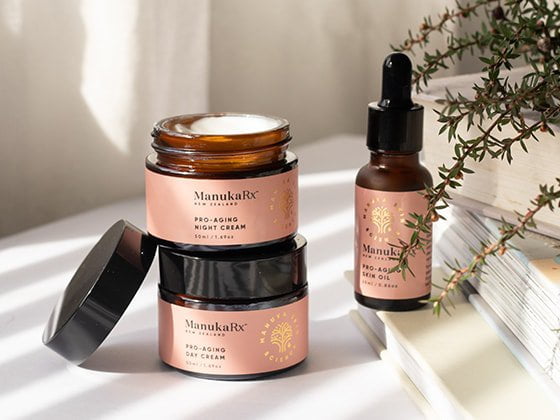
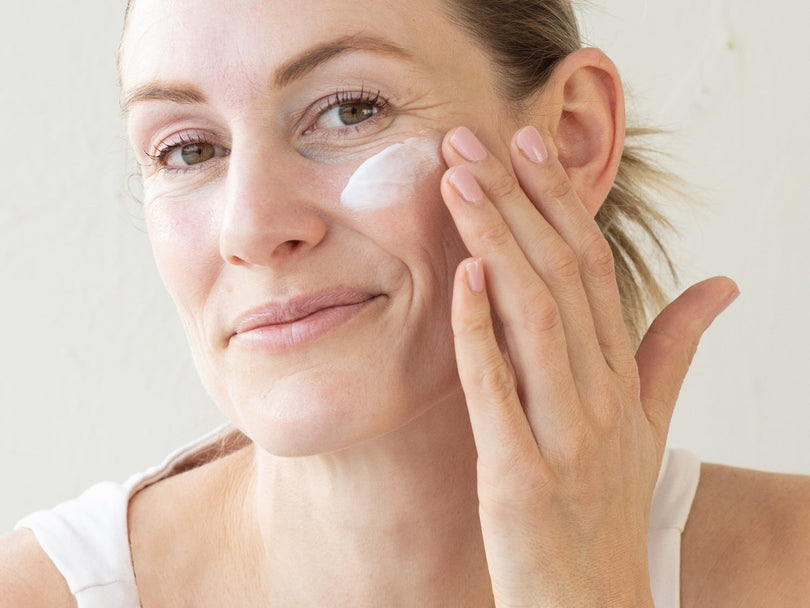

If you’ve ever wondered, “Do collagen creams really absorb into my skin?” you’re not alone. With so many promises on every shelf from it’s hard to know what truly works.
In this guide, we simplify the science behind topical collagen and share what supports skin looking smoother and firmer, plus an easy, ManukaRx-powered routine you can start today.
Table of Contents
Can collagen absorb through skin? The simple truth
Here’s the clear answer. Most collagen molecules in creams are too large to pass through your skin’s outer layer, called the stratum corneum. This means topical collagen does not replace your natural collagen.
This does not mean collagen creams are pointless. They hydrate your skin and leave it feeling softer. This can feel great during windy Wellington winters, dry Central Otago days, or long hours in air conditioned offices in Australia. For firmer-looking skin, other ingredients and daily habits matter more.
Keep these facts in mind:
- Native collagen is large at a molecular level and cannot penetrate deeply.
- Hydrolysed collagen is smaller, but it still does not reach the dermis where collagen forms.
- You will see surface benefits like smoother texture and improved hydration.
- Real collagen support comes from retinoids, vitamin C, peptides, daily SPF, and consistency.
What about hydrolysed collagen and collagen peptides in skincare?
Hydrolysed collagen and collagen amino acids improve moisture levels and skin feel. They form a light film which reduces water loss. Signal peptides, which differ from collagen fragments, support firmer-looking skin over time. Look for names like palmitoyl tetrapeptide or copper peptides on the label. Think of these formulas as hydrators first, not collagen replacements.
Does microneedling increase absorption?
Professional microneedling improves penetration of certain skincare products and stimulates new collagen through controlled micro-injury. At-home devices carry risks like irritation and infection. Speak with a qualified clinician, especially if you use retinal, vitamin C, or exfoliating acids.
Topical versus oral collagen
Topical collagen works on the skin surface to improve comfort and hydration. Oral collagen peptides break down into amino acids during digestion. Some studies show improved skin hydration and elasticity after consistent use over several weeks, though results vary and depend on dose and product quality.
What collagen creams can still do, and where they fall short
Collagen creams strengthen your moisture barrier. In New Zealand and Australia, strong sun, sea air, and shifting humidity dry the skin quickly. A rich cream softens fine lines and improves the way makeup sits.
They do not reach the dermis where fibroblasts produce collagen, so they cannot rebuild skin structure. Expect smoother texture and glow rather than deep change.
Benefits include:
- Smoother surface and better makeup finish
- Short-term plumping of dehydration lines
- Reduced tightness after sun or indoor heating
Limitations to remember:
- No direct collagen replacement
- Effects fade once you stop
- Better results when paired with active ingredients
A common mistake is spending on collagen cream while skipping SPF. In NZ and Australia, high UV levels break down collagen fast.
What supports firmer-looking skin in NZ and Australia
Daily sun protection is essential. Use broad spectrum SPF 50+ and reapply every two hours outdoors. Add hats and shade.
Retinoids such as retinal or retinol refine texture over time. ManukaRx Firming Serum contains retinal for night use. Vitamin C supports brighter, more even tone. Skin Brightening Vitamin C Serum is one example. Peptides support the look of elasticity with steady use. Gentle exfoliation one to three times weekly keeps skin fresh and improves product absorption. Barrier-supporting oils, including East Cape manuka oil blends like Restorative Skin Oil, calm and balance the skin. A nourishing night cream offsets dry air and seasonal change.
You do not need every product. Start with one serum, one moisturiser, and daily SPF. If you prefer a curated routine, consider sets like the Rejuvenating Ritual or Restorative Trio.
A simple routine for everyday results
Morning
- Cleanse with a gentle wash such as the Soothing Cream Cleanser or Vitamin C Gel Cleanser.
- Apply vitamin C serum.
- Use moisturiser suited to your climate, such as Firming Day Cream or Daily Glow Brightening Cream.
- Finish with SPF 50+.
Night
- Cleanse to remove sunscreen and makeup.
- Apply retinoid two to five nights per week.
- Seal with night cream, such as the Nourishing Night Cream.
- Press in oil if skin feels dry; options include Manuka Face Oil or Dry Skin Oil.
If your eye area concerns you, apply a targeted eye cream after serum, such as the Restorative Eye Cream or Brightening Eye Cream.
FAQ
Does collagen cream work?
It hydrates and softens fine lines on the surface. It does not replace natural collagen.
Is hydrolysed collagen better absorbed?
It feels lighter but still does not reach deep layers. Treat it as a moisturiser.
Can sensitive skin use vitamin C or retinal?
Yes. Begin slowly and use moisturiser or oil to reduce irritation.
Do peptides improve firmness?
Certain signal peptides support the look of firmness over eight to twelve weeks.
How long before retinoids or vitamin C show results?
Brighter tone and smoother texture often appear within four to eight weeks. Use SPF daily to protect progress.
Conclusion and free checklist
Collagen creams provide hydration, but firmer-looking skin in NZ and Australia relies on steady use of proven ingredients and strong sun protection.
Free Collagen Support Checklist
AM: Cleanse, vitamin C, moisturiser, SPF 50+
PM: Cleanse, retinoid several nights weekly, night cream, optional oil
Weekly: Gentle exfoliation one to three times
Always: Reapply SPF outdoors and adjust textures to suit climate
Choose products that fit your skin and budget. The best routine is one you continue each day. To explore formulas designed with New Zealand’s conditions in mind, discover the full ManukaRx range at ManukaRx and build a collagen-supporting routine that works for you.
Sources
-
Proksch E, Schunck M, Zague V, Segger D, Degwert J, Oesser S. Oral intake of specific bioactive collagen peptides reduces skin wrinkles and increases dermal matrix synthesis. Skin Pharmacology and Physiology. 2014.
-
Zague V. A new view concerning the effects of collagen hydrolysate intake on skin properties. Archives of Dermatological Research. 2008.
-
Farris PK. Topical vitamin C: A useful agent for treating photoaging and other dermatologic conditions. Dermatologic Surgery. 2005.
-
Mukherjee S, Date A, Patravale V, Korting HC, Roeder A, Weindl G. Retinoids in the treatment of skin aging: An overview of clinical efficacy and safety. Clinical Interventions in Aging. 2006.